
Joe Ely
* February 9, 1947 – Amarillo, Texas
† December 15, 2025 – Taos, New Mexico
Joe Ely was above all one of the central figures of the Tex-Mex scene. Deeply rooted in the American South, the singer and songwriter fused the rockabilly sound of West Texas with Mexican influences to create a distinctive form of border music—an exuberant blend of folk, country, and rock.
As early as 1972, Ely recorded an album with the Texas supergroup The Flatlanders. Though shelved at the time, the record finally appeared a decade later and went on to achieve cult status. His solo debut followed in 1977, launching a run of fan favorites and critically acclaimed albums that lasted well into the mid-1990s. Even afterward, Ely remained remarkably prolific, releasing an almost overwhelming number of records right up until shortly before his death. Among them were many live albums that documented his reputation as an electrifying, high-energy performer.
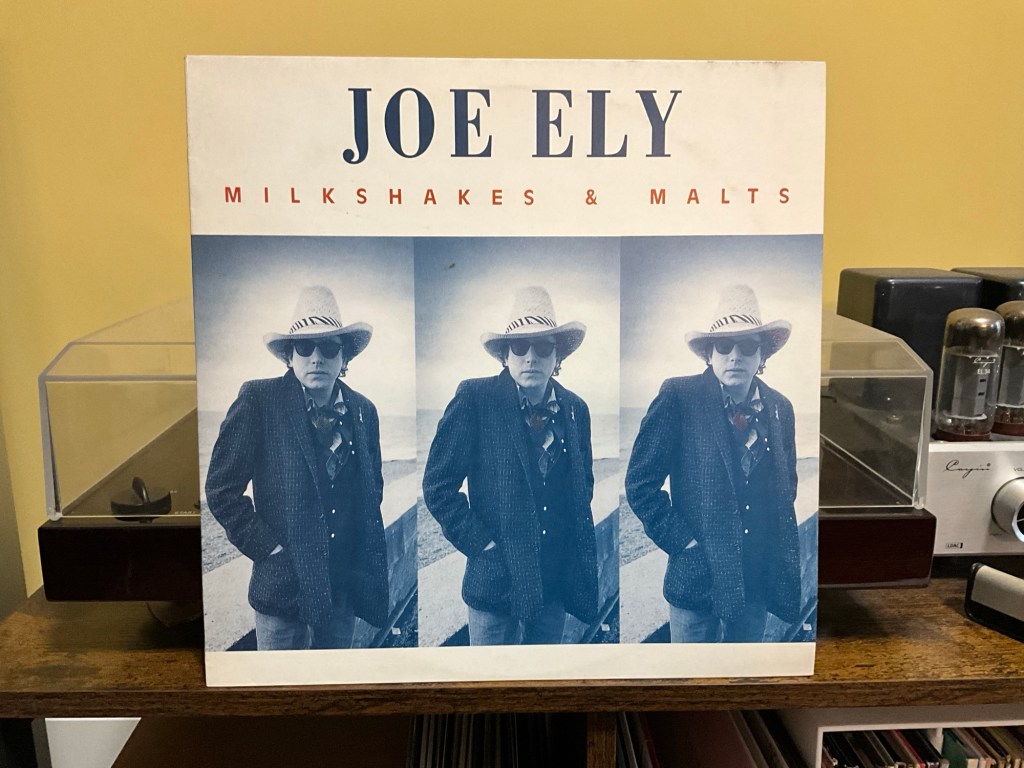
Ely was a gifted storyteller, writing classics such as Me and Billy the Kid and Letter to Laredo. At the same time, he was a master interpreter of other writers’ songs. This side of his artistry is evident in albums like Milkshakes and Malts, devoted to songs by Butch Hancock; his definitive recording of Robert Earl Keen’s The Road Goes On Forever; and even his final single, released this past September, a heartfelt take on the evergreen Rainin’ in My Heart, accompanied by an AI-generated orchestra.
His music consistently nodded to early rock ’n’ roll—Jerry Lee Lewis looms large (Fingernails), as does Buddy Holly. Ely grew up in Holly’s hometown of Lubbock, Texas, where he was musically shaped by a circle of like-minded spirits including Jimmie Dale Gilmore, Terry Allen, Lloyd Maines, and the Legendary Stardust Cowboy. David Byrne of Talking Heads helped immortalize this so-called “West Texas Mafia”. He was along for the ride—on two occasions—when some of them were captured on film in True Stories and Lubbock Lights. Ely’s stature as one of the greats was further cemented by performing Buddy Holly songs live with Paul McCartney and by recording with Bruce Springsteen.
He also set benchmarks in Tex-Mex music as a member of the supergroup Los Super Seven, which at various times included Raúl Malo and Flaco Jiménez (both of whom also passed away in 2025). Hallmarks of Ely’s Latin-inflected sound—perhaps best exemplified by Gallo del Cielo—were Ponty Bone’s accordion and collaborations with flamenco guitarist Teye. Yet Ely was just as capable of delivering gritty New Orleans–style soul-funk, as heard on Firewater.
Working for the Ringling Brothers circus and taking care of llamas? Forming a band with John Prine and John Mellencamp (Buzzin’ Cousins)? Recording a trio album in Munich in 1972 with Krautrock and Moog pioneer Eberhard Schoener? Joe Ely did all of that—and much more.
Still, the single most defining moment of his career came elsewhere: Ely sang the Spanish vocal parts on The Clash’s global hit Should I Stay or Should I Go. Closely allied with the band and touring with them, Ely played a crucial role in building a cultural bridge between Texas and London. The opening of country music to punk—and punk to country—in the 1980s owes a great deal to Joe Ely’s historic crossover.
There will be no talk of “rest in peace” in the cowpunk heaven.
(A shorter version was first published in the German-language magazine Folker on 18 December 2025: https://folker.world/ausklang/joe-ely/)
 A Haven For Songs